Sri Lanka is Open for Travel: Safe, Beautiful, and Ready to Welcome You
Your Dream Destination Awaits
Have you been dreaming about exploring ancient temples perched on dramatic rock formations? Or perhaps swimming alongside majestic whales in turquoise waters? Maybe you’re craving the sight of leopards prowling through dense jungles, or the taste of aromatic Ceylon tea picked fresh from emerald hillsides?
If recent news about Cyclone Ditwah has made you hesitate about booking your Sri Lankan adventure, let me set your mind at ease. As someone deeply connected to Sri Lanka’s tourism industry through BlueSky Galle Taxis, I’m here to share the real story: Sri Lanka is not only safe to visit—it’s thriving, welcoming, and more beautiful than ever.
Let’s clear up the confusion and show you why now is actually a fantastic time to experience this island paradise.
Understanding Cyclone Ditwah's Impact on Sri Lanka
What Actually Happened?
Yes, Cyclone Ditwah did pass near Sri Lanka, bringing heavy rainfall to certain regions. But here’s what the international headlines didn’t always convey: the impact on tourist areas was minimal. The storm system primarily affected some central highland regions, while the vast majority of Sri Lanka’s tourism infrastructure remained completely unaffected.
Think of it like this—if a snowstorm hits one state in the US, you wouldn’t cancel your beach vacation in Florida, would you? Sri Lanka is a diverse island with different microclimates, and most tourist destinations experienced nothing more than typical monsoon rain.
The Real Story Behind the Headlines
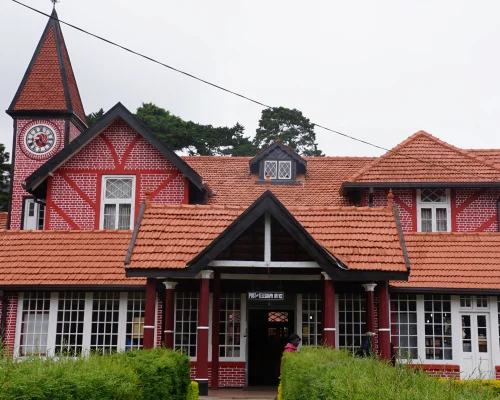
According to Buddhika Hewawasam, Chairman of the Sri Lanka Tourism Development Authority, approximately 90 percent of tourism offerings returned to normal operations almost immediately. The areas that experienced disruption were mainly Nuwara Eliya and Gampola in the central highlands—and even there, recovery efforts moved swiftly.
The Sri Lanka tourism recovery has been nothing short of remarkable, demonstrating the resilience of both the infrastructure and the people who make this country so special.
Current Safety Status Across Sri Lanka
Tourism Infrastructure Remains Strong
Let me share some reassuring facts with you. More than 75 percent of hotels across Sri Lanka were completely unaffected by the weather event. Those that did experience minor disruptions have already completed necessary repairs and are welcoming guests with open arms.
National parks, cultural sites, beaches, and restaurants have all maintained their operations. The tourism sector has proven its robustness, with accommodation providers, tour operators, and transportation services ready to deliver exceptional experiences.
Road Conditions and Transportation Safety
This is where I can speak from firsthand experience running BlueSky Galle Taxis. All major road networks connecting Colombo to Galle, Kandy, and other popular destinations are clear, well-maintained, and completely safe for travel. Our vehicles have been operating without any weather-related interruptions since December 4th.
We’ve implemented additional safety inspections across our entire fleet, and our drivers remain updated on current road conditions throughout the island. Alternative routes are available for any areas still undergoing minor repairs, ensuring your journey remains smooth and scenic.
All Major Tourist Attractions Are Open and Welcoming
Cultural Heritage Sites Operating Normally
Sri Lanka’s magnificent UNESCO World Heritage Sites are all open and accessible:
Anuradhapura, the sacred ancient capital, welcomes visitors to explore its massive dagobas, ancient monasteries, and the sacred Sri Maha Bodhi tree—one of the oldest historically documented trees in the world.
Polonnaruwa, the medieval capital, showcases its stunning stone sculptures, royal palace ruins, and the breathtaking Gal Vihara rock temple with its colossal Buddha statues.
Sigiriya, the iconic Lion Rock fortress, continues to draw adventurous travelers who climb its 1,200 steps to witness spectacular frescoes and panoramic views that will take your breath away.
Dambulla Cave Temple, with its five caves filled with over 150 Buddha statues and magnificent ceiling frescoes, remains one of the best-preserved cave temple complexes in Asia.
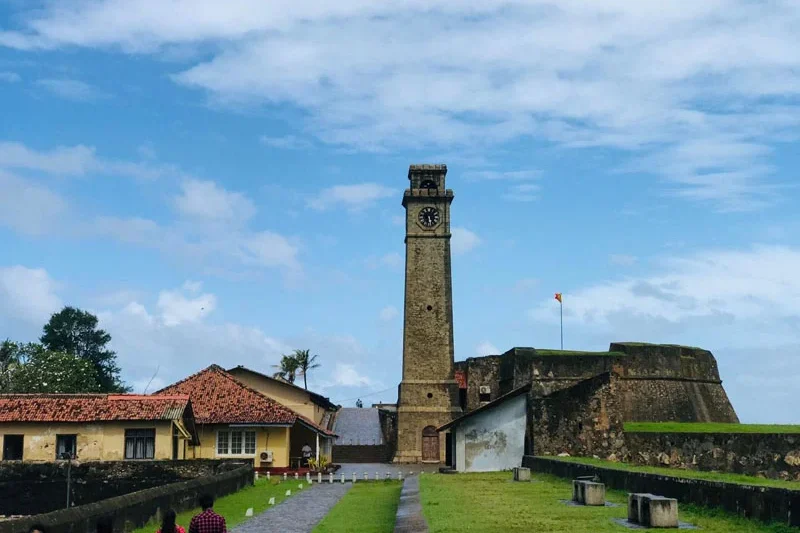
Galle Fort, the charming Dutch colonial stronghold on the southern coast, bustles with boutique hotels, cafes, art galleries, and seaside ramparts perfect for sunset strolls.
Marine Tourism Destinations Ready for Visitors
If you’re drawn to the ocean, you’re in for a treat:
Pigeon Island National Park near Trincomalee offers world-class snorkeling among vibrant coral reefs teeming with tropical fish.
Kalpitiya provides unforgettable whale and dolphin watching experiences, with large pods of spinner dolphins performing their aerial acrobatics.
Hikkaduwa invites you to explore its famous coral gardens and enjoy some of the island’s best surfing conditions.
Mirissa remains the premier destination for blue whale watching—imagine seeing the largest animals on Earth gliding through the deep blue waters of the Indian Ocean!
All marine tourism operations are fully functional, with boat operators adhering to strict safety protocols.
National Parks and Wildlife Sanctuaries Open
Wildlife enthusiasts, rejoice! Sri Lanka’s incredible national parks are open for safari adventures:
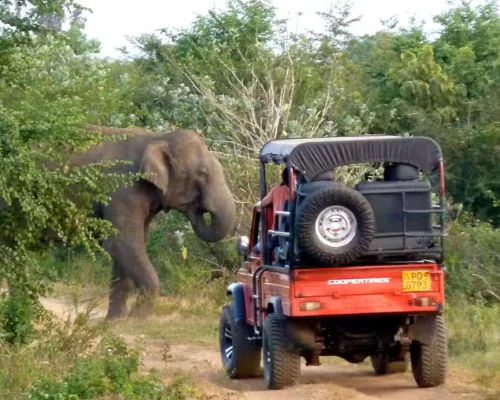
Yala National Park boasts the world’s highest leopard density, giving you excellent chances of spotting these elusive big cats alongside elephants, sloth bears, and countless bird species.
Wilpattu National Park, with its unique “villus” (natural lakes), offers a more secluded safari experience with abundant wildlife.
Minneriya National Park is famous for “The Gathering”—where hundreds of elephants congregate around the ancient Minneriya Tank.
Horton Plains National Park features the dramatic World’s End cliff drop and the enchanting Baker’s Falls.
Udawalawe National Park specializes in elephant sightings, with herds frequently visible year-round.
Kumana National Park attracts migratory birds and offers excellent wildlife viewing opportunities.
Bundala National Park is a wetland paradise for birdwatchers, particularly during the migratory season.
Wasgamuwa National Park is expected to reopen within the next 2-3 days after minor maintenance work.
The Pinnawala Elephant Orphanage and Dehiwala Zoo are also operating normally, providing family-friendly wildlife experiences.
Why the Sri Lanka Tourism Recovery Is Impressive
Record-Breaking Visitor Numbers in 2025
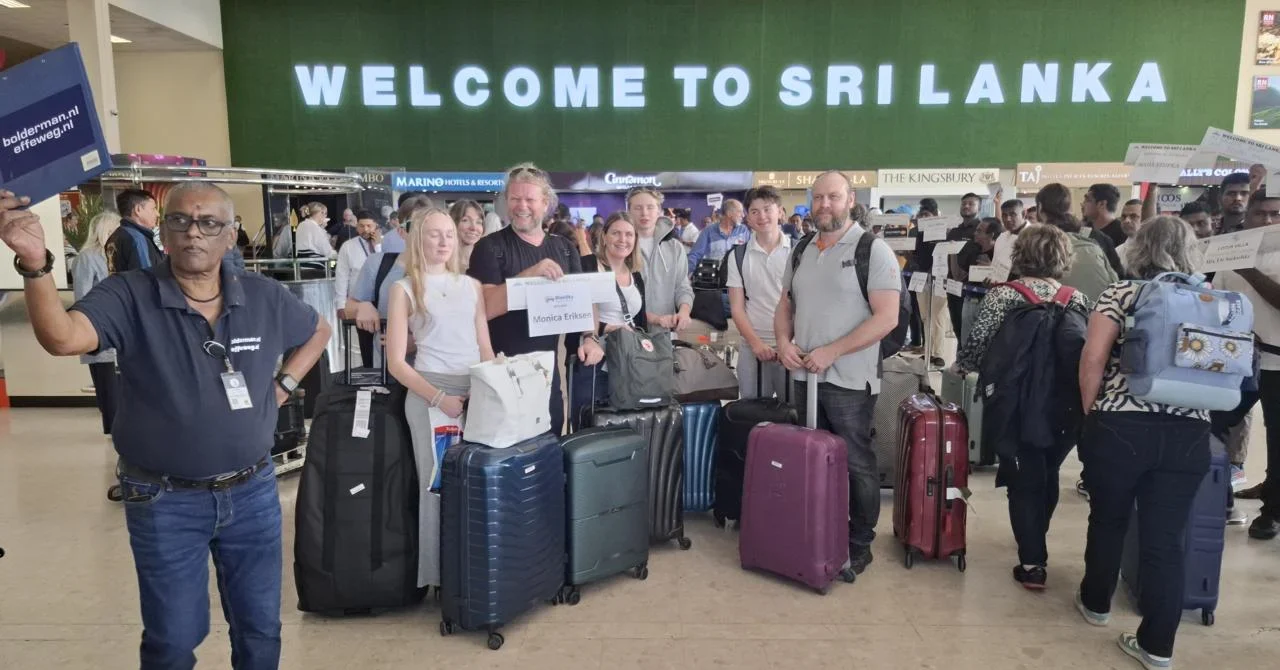
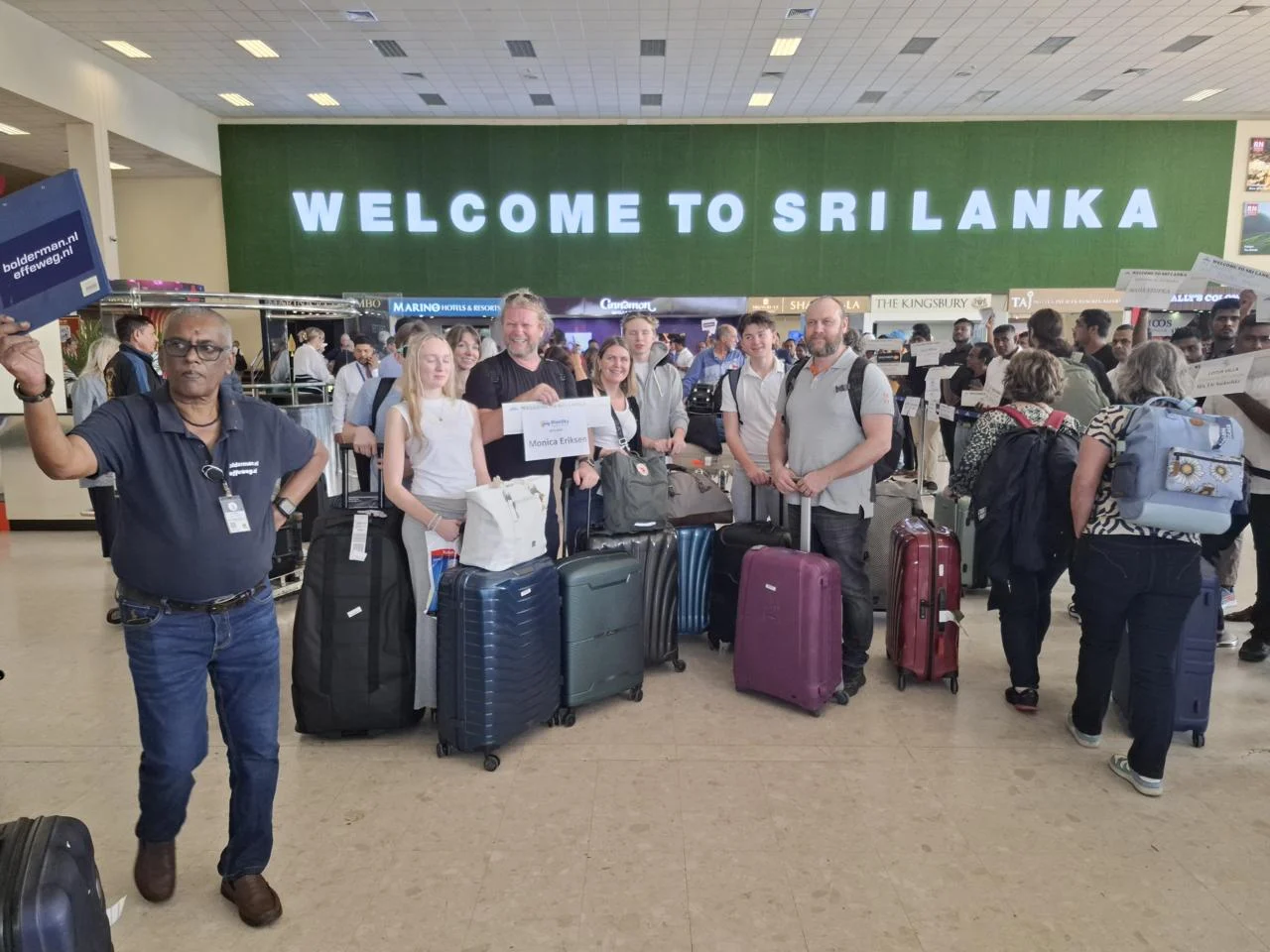
Here’s something that might surprise you: Sri Lanka welcomed over 1,006,097 international visitors in just the first two quarters of 2025. That’s not just a recovery—that’s a tourism boom!
The country is confidently moving toward its ambitious target of 3 million visitors by year’s end, with tourism earnings projected to reach an impressive US$5 billion. These aren’t just numbers—they represent thousands of travelers who’ve discovered (or rediscovered) what makes Sri Lanka so special.
Strong Growth Indicators
The Sri Lanka tourism recovery shows remarkable momentum:
- Visitor arrivals increased by 38% in 2024 compared to 2023
- Tourism revenue soared to US$3.17 billion, up 53% from the previous year
- The United Kingdom remains the second most valuable source market after India
- Current hotel occupancy rates hover around 65-70%, indicating strong demand
Tourism industry representatives note that while a few cancellations occurred immediately following the cyclone news, most travelers recognized the situation’s limited scope and maintained their bookings.
Exploring Sri Lanka's Ancient Cities
Anuradhapura – The Sacred City
Walking through Anuradhapura feels like stepping into a living history book. This ancient capital, dating back to the 4th century BC, sprawls across a vast area filled with architectural marvels. The massive Ruwanwelisaya Dagoba gleams white in the tropical sun, while the sacred Bodhi tree—grown from a cutting of the tree under which Buddha attained enlightenment—remains a pilgrimage site for Buddhists worldwide.
The site is fully accessible, with well-maintained pathways, informative guides, and facilities for visitors. Plan to spend at least half a day here to truly appreciate its grandeur.
Polonnaruwa – Medieval Magnificence
Polonnaruwa offers a more compact but equally impressive collection of ruins. The Gal Vihara’s rock-carved Buddhas represent the pinnacle of Sinhalese stone carving, while the Parakrama Samudra (Sea of Parakrama), a massive 12th-century reservoir, demonstrates the sophisticated hydraulic engineering of ancient Sri Lanka.
Cycling through the archaeological park is a popular way to explore, and bicycle rentals are readily available near the entrance.
Sigiriya and Dambulla – Icons of History
Sigiriya isn’t just a tourist attraction—it’s an engineering marvel that defies explanation. How did ancient builders construct a palace atop a 200-meter-high rock in the 5th century? The climb is challenging but manageable for most fitness levels, and the rewards—ancient frescoes, the mirror wall with ancient graffiti, and 360-degree views—make every step worthwhile.
Just a short drive away, Dambulla’s five caves contain Sri Lanka’s largest collection of Buddha images. The intricate ceiling paintings have retained their colors for centuries, creating a truly mesmerizing experience.
Beach Destinations and Marine Adventures
Galle Fort and Southern Coast Gems
The southern coast, where BlueSky Galle Taxis is based, remains one of Sri Lanka’s most enchanting regions. Galle Fort, a UNESCO World Heritage Site, combines Dutch colonial architecture with vibrant contemporary culture. Wander the ramparts at sunset, explore boutique shops, dine at excellent restaurants, and stay in charming heritage hotels—all within the fort’s protective walls.
Beyond Galle, discover beaches like Unawatuna, Mirissa, Tangalle, and Weligama, each with its own character. Whether you’re seeking surfing, swimming, or simply relaxing under palm trees, the southern coast delivers.
Whale Watching Experiences
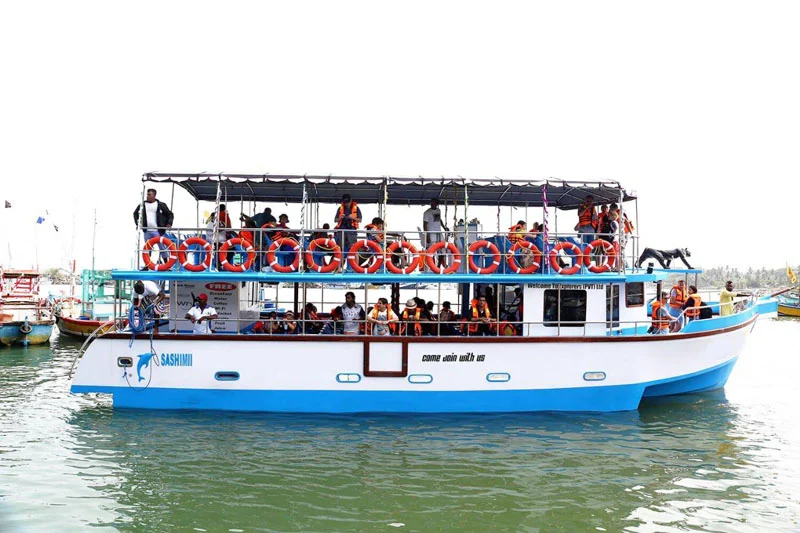
Sri Lanka offers some of the world’s best whale watching opportunities. From November to April, blue whales and sperm whales migrate along the southern coast, and sightings are remarkably common. Mirissa serves as the main departure point, with early morning excursions offering the best chances of encounters.
In Kalpitiya, on the northwestern coast, you’re virtually guaranteed to see large pods of dolphins, sometimes numbering in the hundreds, spinning and playing in the boat’s wake.
Snorkeling and Diving Spots
The waters surrounding Sri Lanka harbor incredible marine biodiversity. Hikkaduwa’s shallow coral gardens are perfect for beginners, while Pigeon Island offers pristine reefs with blacktip reef sharks, turtles, and countless reef fish species.
More experienced divers can explore shipwrecks, particularly the British warship HMS Hermes off Batticaloa—one of the largest diveable wrecks in the world.
Wildlife Safari Experiences
Yala National Park – Leopard Territory
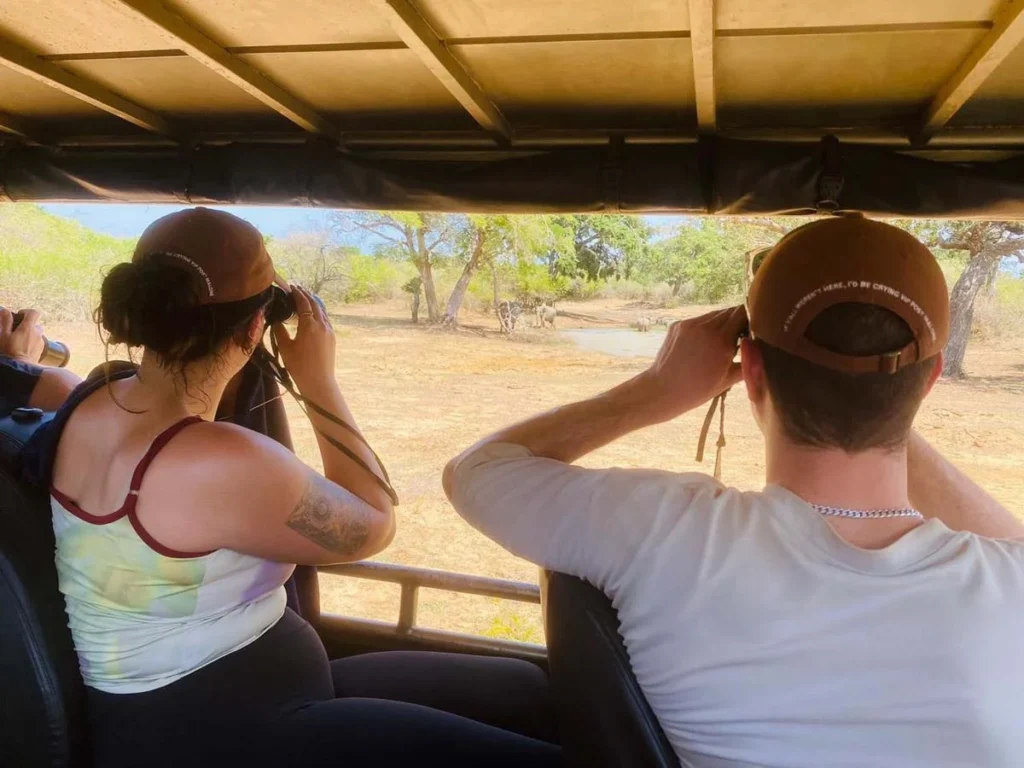
If seeing a leopard in the wild is on your bucket list, Yala offers your best chances anywhere on the planet. The park’s Block 1 has the world’s highest density of leopards, and patient observers frequently spot these magnificent cats lounging on rocks or prowling through the scrub.
Beyond leopards, Yala hosts elephants, sloth bears, crocodiles, and over 200 bird species. Safari jeeps depart twice daily—early morning and late afternoon—when animals are most active.
Other Top Wildlife Destinations
Each of Sri Lanka’s national parks offers unique experiences:
- Wilpattu for a quieter, less crowded safari experience
- Minneriya for spectacular elephant gatherings (seasonal)
- Udawalawe for virtually guaranteed elephant sightings
- Horton Plains for hiking through cloud forests and montane ecosystems
- Bundala for birdwatching, especially flamingos and migratory waders
Book your safaris through reputable operators who follow ethical wildlife viewing practices—BlueSky Galle Taxis can arrange these experiences with trusted partners.
What About the Upcountry Train Ride?
I won’t sugarcoat this one: the famous scenic train journey from Kandy to Ella, through Sri Lanka’s central highlands, is currently experiencing intermittent service due to track maintenance and repairs following the heavy rainfall. Some trains are running, but the schedule isn’t fully reliable yet.
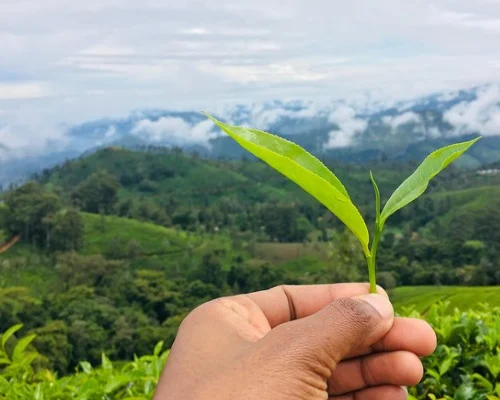
However, restoration efforts are progressing rapidly, and we expect regular service to resume soon. In the meantime, traveling by vehicle through the hill country offers equally stunning views with more flexibility. You’ll pass through tea plantations, mountain villages, waterfalls, and viewpoints at your own pace.
Once the train service is fully restored—which should happen within weeks—you’ll be able to enjoy one of the world’s most scenic railway journeys, often called one of the most beautiful train rides on Earth.
Traveling Safely with BlueSky Galle Taxis
Our Commitment to Your Safety
As a locally owned and operated company based in Galle, BlueSky Galle Taxis has built its reputation on reliability, safety, and exceptional service. We’re not just a transportation provider—we’re your local guides, your problem-solvers, and your connection to authentic Sri Lankan experiences.
We’ve implemented comprehensive safety measures:
- Regular vehicle inspections beyond standard requirements
- COVID-19 sanitization protocols that remain in place
- Driver training in emergency procedures and first aid
- Real-time monitoring of road conditions and weather
- 24/7 customer support throughout your journey
Fleet and Driver Standards
Our modern fleet includes comfortable sedans, SUVs, and vans suitable for individuals, families, and groups. Every vehicle is air-conditioned, insured, and maintained to high standards.
Our drivers aren’t just professionals behind the wheel—they’re knowledgeable about local history, culture, and hidden gems. They speak English well and genuinely enjoy sharing their country with visitors. Many of our clients tell us their driver became the highlight of their trip!
Practical Tips for International Travelers
Best Time to Visit Now
Here’s a little secret: visiting during or just after the recovery period actually offers advantages. You’ll encounter fewer crowds at popular sites, making photography easier and experiences more intimate. Many hotels and tour operators offer special recovery packages with excellent value.
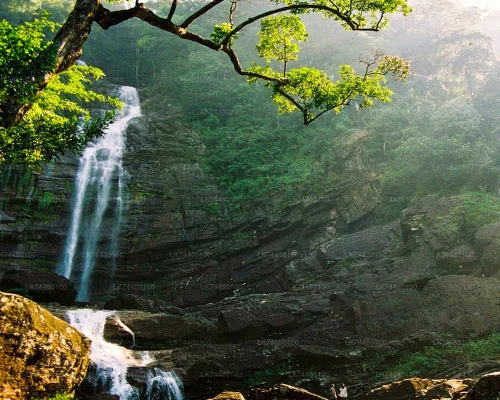
The post-monsoon season brings lush, vibrant landscapes. The countryside glows with fresh greenery, waterfalls flow abundantly, and the air feels clean and refreshed. Wildlife viewing is excellent as animals gather around water sources.
What to Pack and Expect
Pack light, breathable clothing for the coastal and lowland areas, but bring layers for the hill country where temperatures drop significantly. Don’t forget:
- Comfortable walking shoes for exploring archaeological sites
- Sun protection (hat, sunscreen, sunglasses)
- Modest clothing for temple visits (shoulders and knees covered)
- Light rain jacket (tropical showers can occur anytime)
- Insect repellent for safari parks
- Reusable water bottle
Sri Lanka uses 230V electrical outlets with three rectangular pins (British-style), so bring appropriate adapters.
Supporting Local Communities Through Tourism
When you visit Sri Lanka now, you’re doing more than enjoying a vacation—you’re directly supporting communities that depend on tourism. Your hotel booking helps staff keep their jobs. Your purchases at local shops sustain artisans and small business owners. Your safari contributes to conservation efforts and community development projects around national parks.
Tourism represents a lifeline for many Sri Lankan communities, and visitors who travel responsibly make a genuine positive impact. Choose locally owned businesses when possible, respect cultural norms, and engage with Sri Lankan people—you’ll discover warmth and hospitality that’s genuinely heartfelt, not just for show.
Special Offers and Recovery Packages
Many Sri Lankan hotels, resorts, and tour operators are offering special packages to encourage tourism during this recovery period. These might include:
- Discounted room rates at luxury properties
- Complimentary meals or spa treatments
- Multi-day tour packages at reduced prices
- Flexible cancellation policies
BlueSky Galle Taxis can help you identify the best offers and design an itinerary that maximizes value while ensuring you don’t miss any must-see destinations.
Conclusion – Your Sri Lankan Adventure Starts Now
So, should you visit Sri Lanka right now? Absolutely! The island is safe, accessible, and extraordinarily beautiful. The Sri Lanka tourism recovery demonstrates not just the resilience of infrastructure, but the determination of an entire nation to welcome the world with open arms.
Don’t let temporary weather events that barely affected tourist areas prevent you from experiencing ancient wonders, pristine beaches, incredible wildlife, and some of the warmest hospitality you’ll encounter anywhere on Earth.
Sri Lanka is ready for you. The question is: are you ready for Sri Lanka?
Book your adventure today, and let BlueSky Galle Taxis ensure your journey is seamless, safe, and filled with unforgettable moments. This is your opportunity to explore a destination that’s both timeless and timely—a place where history, nature, and culture blend into something truly magical.
Your Sri Lankan story is waiting to be written. Let’s make it extraordinary.