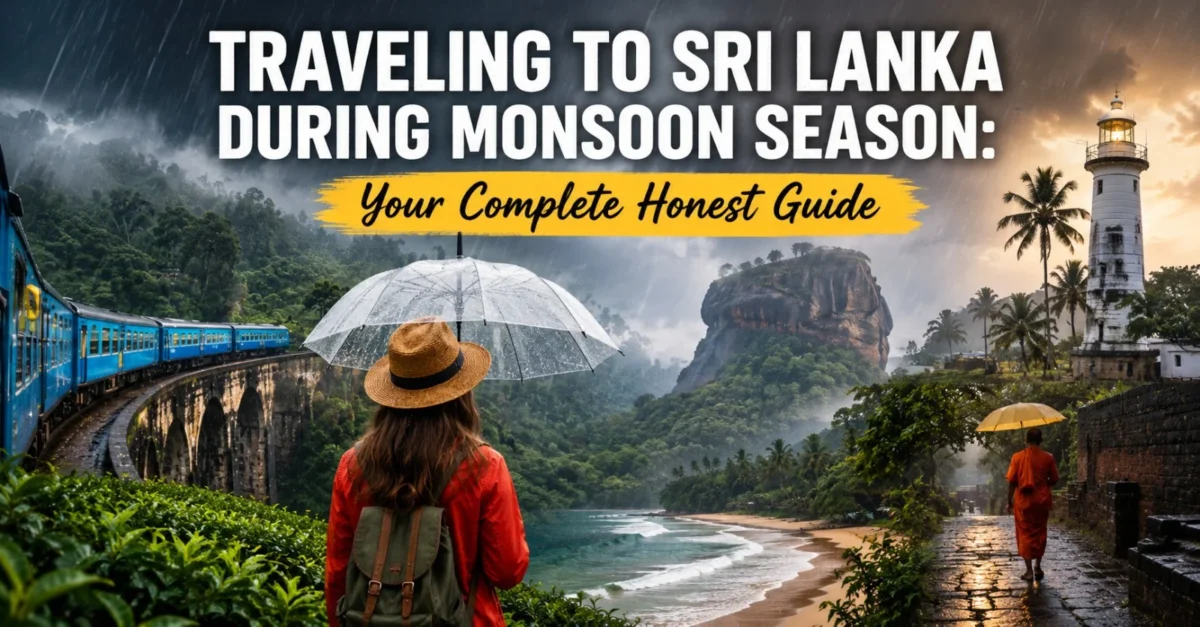
“Should I avoid Sri Lanka during monsoon season?”
This is one of the most common questions we hear at BlueSky Galle Taxis from travelers planning their trips. Let me give you the straight answer: No, you shouldn’t avoid Sri Lanka during monsoon—you just need to know which part of the island to visit!
Here’s the secret many travelers don’t realize: Sri Lanka has two monsoon seasons affecting different regions at different times. This means somewhere on the island almost always has great weather. You just need to understand the pattern.
Sri Lanka's Two Monsoon Seasons Explained Simply
Southwest Monsoon (May to September)
Affects: Colombo, Galle, southern beaches, western coast, southwestern hill country
Peak rain: June and July get the heaviest rainfall
What happens: The southwest coast and Galle area receive significant rain (1,600-3,000mm). Seas become rough, afternoon thunderstorms are common, and beaches can be less enjoyable.
The good news: While the southwest gets wet, the north and east coasts are dry and beautiful! Trincomalee, Arugam Bay, Jaffna, and eastern beaches have their best weather during this exact period.
But here’s what many people don’t know: Plenty of travelers still visit the south coast during monsoon season and actually love it! Why? Because monsoon doesn’t mean it rains all day, every day. You’ll typically get sunny mornings, then rain arrives in the afternoon or evening. It’s not like some constant downpour—you can absolutely still enjoy your holiday, especially if you plan activities for morning hours.
We’ve run countless tours in July and August in the southern region, and honestly, most travelers are pleasantly surprised. Yes, you might get afternoon showers, but you also get significantly fewer crowds, better hotel rates, and that stunning lush green landscape that only monsoon season creates. The island looks absolutely beautiful during this time!
Northeast Monsoon (October to January)
Affects: Northern and eastern regions—Jaffna, Trincomalee, Batticaloa, east coast
Peak rain: December-January in some eastern areas
What happens: The northeast experiences wetter conditions while the southwest dries out.
The good news: December to February is perfect for the south and west coasts—this is peak tourist season around Galle, Mirissa, and Colombo because the weather is ideal!
Inter-Monsoon Periods (March-April & October-November)
What happens: Transition periods with afternoon thundershowers across much of the island. Mornings are typically sunny and beautiful, then rain arrives in the afternoon.
The advantage: Fewer tourists, lower prices, and you can still enjoy activities if you plan them for morning hours.
2026 Weather Outlook: What to Expect
May to August 2026: El Niño conditions mean rainfall might be slightly below normal, but southwestern regions will still experience significant monsoon rain. The east coast remains your best choice during this period.
Heat warning for May 2026: Temperatures are running hot—heat index between 39-45°C (102-113°F) until mid-May. Stay hydrated and schedule outdoor activities for early morning.
Bottom line: Don’t expect a “dry monsoon” in 2026, but conditions might be marginally better than typical years in some areas.
Month-by-Month: Where to Go When
The Honest Truth About Monsoon Travel
Why You Might Actually Love Monsoon Season
Massive savings: Accommodation and services drop 30-50% during monsoon months. Your money goes much further.
Fewer crowds: Popular sites aren’t packed with tourists. You’ll have beaches and attractions to yourself. Imagine visiting Galle Fort or Mirissa without fighting through crowds—that’s what monsoon season offers!
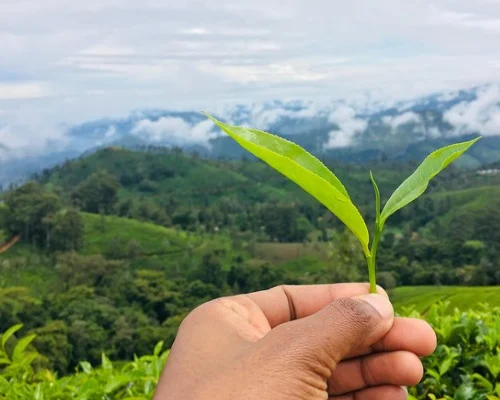
Stunning landscapes: Everything is intensely green and lush. Tea plantations, rice paddies, and forests look their absolute best. The colors are just incredible during monsoon.
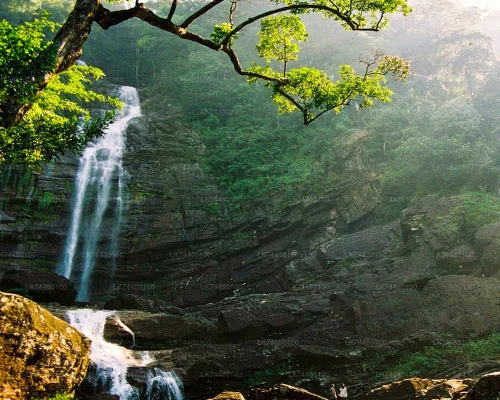
Epic waterfalls: Waterfalls are at their most dramatic and powerful—perfect for photography.
Authentic experiences: With fewer tourists, you’ll interact more with locals and experience genuine Sri Lankan life.
Photography gold: Dramatic skies, moody clouds, and vibrant landscapes create incredible photo opportunities.
It’s not constant rain! Let me be clear about this because it’s the biggest misconception: monsoon doesn’t mean 24-hour rain. Typically, you’ll get beautiful sunshine in the mornings—perfect for exploring temples, going to the beach, visiting tea plantations. Then around 2pm or 3pm, the clouds build up and you might get a few hours of rain. By evening, it often clears again. Fully rainy days where it pours all day? They happen, but they’re actually pretty rare. Most days give you plenty of good weather for sightseeing.
The Challenges You Should Know
Heavy rain affects roads: Expect delays, slower travel times, and occasional road closures in affected areas.
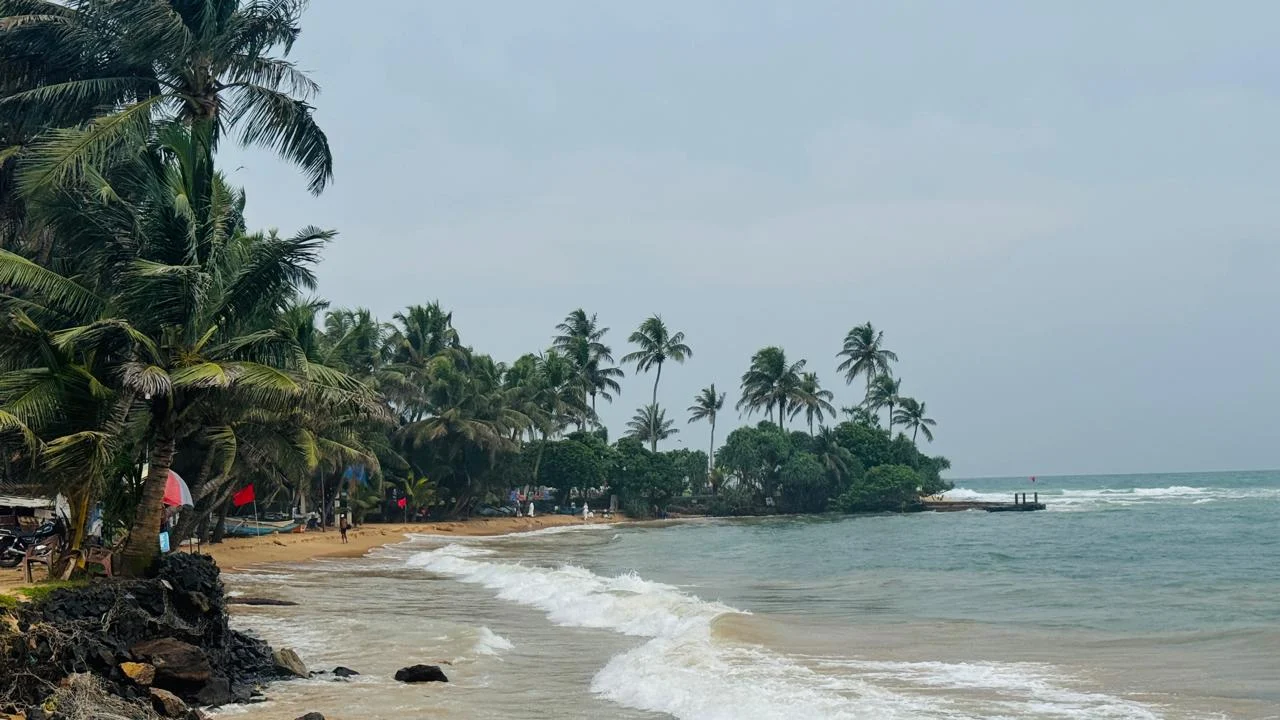
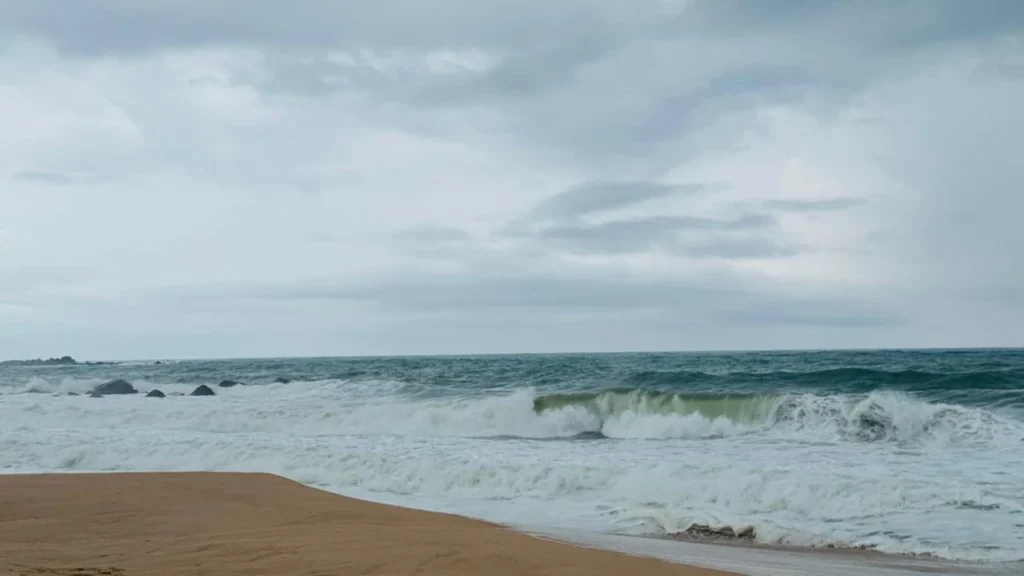
Rough seas: Beach swimming can be dangerous or banned during monsoon. Red flags mean stay out of the water!
Afternoon storms: Thunderstorms with lightning are common, especially in inter-monsoon periods.
Some flooding: Low-lying areas can flood during heavy downpours.
Reduced visibility: Scenic drives through mountains might have limited views during heavy rain.
Flight delays possible: Weather can occasionally delay domestic and international flights.
Smart Travel Strategy by Season
Visiting May to September? (Southwest Monsoon)
Go to these areas:
- Trincomalee: Excellent beaches and water activities
- Arugam Bay: Perfect for surfing
- Jaffna Peninsula: Minimal rainfall, fascinating culture
- East coast beaches: Dry and beautiful
- Central highlands: Kandy and Nuwara Eliya are cooler (but wetter)
But don’t write off the south completely! Many of our clients still do southern tours during these months. The trick is managing expectations—you’ll get rain, yes, but also empty beaches, great hotel deals, and that lush tropical beauty. We’ve guided plenty of happy travelers through the south in July and August who absolutely loved it.
Special mention for July/August travelers: Here’s something interesting—late July and August bring the Kandy Esala Perahera, one of Asia’s grandest Buddhist festivals with elephants, dancers, and incredible processions. Thousands of international visitors come specifically for this event, and many of them explore the country afterward, including the southern regions.
We’ve done countless tours during these months over the years, and honestly? Most people have fantastic experiences. They come for the Perahera in Kandy, then head down to explore Galle, the beaches, maybe do some whale watching (yes, whale watching continues during monsoon!), visit national parks… The rain doesn’t stop any of this from being amazing. You just work around it—mornings for activities, relax during afternoon showers, enjoy the evening.
Visiting October to November? (Inter-Monsoon)
Go to these areas:
- South coast: Galle, Mirissa, Unawatuna remain relatively calm
- West coast: Colombo, Negombo offer pleasant weather
- Cultural sites: Perfect for temple and historical site visits
Strategy: Plan outdoor activities for mornings (6am-noon), save indoor attractions for afternoons when storms typically arrive.
Visiting December to April? (Peak Season)
Go anywhere! The entire island is accessible with minimal rainfall. This is when the southwest coast—including our base in Galle—is at its absolute best. Expect perfect beach weather, but also higher prices and more crowds.
Practical Monsoon Travel Tips
What to Pack
✓ Lightweight, waterproof rain jacket (essential!)
✓ Quick-dry clothing
✓ Waterproof bag for electronics and valuables
✓ Water-resistant shoes or sandals
✓ Compact umbrella
✓ Extra change of clothes in your day bag
Planning Your Days
✓ Schedule outdoor activities early: 6am-11am typically offers the best weather ✓ Stay flexible: Weather can change quickly—have backup indoor options ✓ Book indoor attractions for afternoons: Museums, temples, cultural centers ✓ Allow extra travel time: Roads are slower during rain ✓ Check weather daily: Local forecasts help you adjust plans
Here’s a typical monsoon day schedule that works really well:
- 6am-7am: Early breakfast
- 7am-12pm: Main sightseeing and activities while weather is good
- 12pm-2pm: Lunch and relax
- 2pm-5pm: Flexible time—if rain comes, you’re already inside; if it stays clear, bonus sightseeing!
- Evening: Often clears up for dinner and exploring
Safety First
✓ Avoid traveling during heavy downpours: Visibility drops dangerously ✓ Be cautious in hill areas: Landslides can occur during peak rainfall ✓ Stay informed: Ask your driver or hotel about current road conditions ✓ Keep emergency contacts: Save important numbers in your phone ✓ Respect red flags at beaches: If locals say don’t swim, don’t swim!
Health and Comfort
✓ Stay hydrated: Heat and humidity increase dehydration risk ✓ Use high SPF sunscreen: UV rays penetrate clouds ✓ Drink bottled water only: Avoid tap water ✓ Bring basic medications: Especially anti-diarrheal and pain relief ✓ Consider anti-malarial precautions: Consult your doctor before travel
Why BlueSky Galle Taxis for Monsoon Travel
As an islandwide taxi and tour service based right here in Galle, we’ve helped thousands of travelers navigate Sri Lanka’s monsoon seasons successfully. We don’t just operate during peak season—we’re out there year-round, and we know from real experience what works during monsoon months.
Local weather expertise: Our drivers know which routes are best during different weather conditions and can adjust in real-time. They’ve driven these roads in every type of weather.
Flexible scheduling: Rain at your planned departure time? We’ll work with you to adjust rather than forcing you to travel in dangerous conditions. Sometimes waiting an hour makes all the difference.
Comfortable, safe vehicles: Well-maintained cars with air conditioning provide comfort during humid weather, and our drivers know how to handle wet road conditions safely.
Honest recommendations: We’ll tell you truthfully whether your planned route makes sense given current weather—we’re not just saying yes to everything to get your booking. If we think you should adjust your itinerary, we’ll say so.
Regional knowledge: Need to switch from southwest to east coast due to weather? We can redesign your itinerary on the fly.
Real monsoon experience: We’ve personally guided tours through every monsoon month. We know what works, what doesn’t, and how to make sure you still have an incredible time even when the weather isn’t perfect.
Whether you’re interested in the dry east coast during southwest monsoon or the calm south coast during peak season—or even if you want to brave the south during monsoon for those empty beaches and great deals—we ensure your journey is safe and memorable!
Sample Monsoon-Smart Itineraries
Visiting in June-August? Try This:
Days 1-3: Arrive Colombo → Transfer to Trincomalee (east coast) Days 4-5: Arugam Bay for surfing and beach time Days 6-7: Cultural triangle (Sigiriya, Polonnaruwa) Days 8-9: Kandy (expect some rain but manageable) Day 10: Return to Colombo for departure
This routing keeps you in drier regions during southwest monsoon!
Alternative for July/August (Perahera timing):
Days 1-2: Arrive Colombo, explore city Days 3-4: Cultural triangle sites Days 5-7: Kandy timed for Esala Perahera festival Days 8-9: Ella and hill country via Kandy to Ambewela scenic route Days 10-12: South coast (Galle, Mirissa)—yes, during monsoon! Enjoy empty beaches and morning sunshine Day 13: Airport departure
This combines the famous festival with southern exploration, and honestly, we’ve done this exact itinerary dozens of times with very happy clients!
Visiting in December-February? Try This:
Days 1-2: Arrive Colombo, explore city Days 3-4: Cultural triangle sites Days 5-6: Kandy and hill country Days 7-8: Ella and surroundings Days 9-12: South coast beaches (Galle, Mirissa, Unawatuna)—perfect weather! Day 13: Airport departure
This takes advantage of perfect southwest coast weather during peak season!
Final Honest Advice
Look, I’m not going to pretend monsoon season is exactly the same as peak season—it’s not. You’ll get rain. Roads might be slower. Some days won’t be picture-perfect beach weather.
But here’s what I’ve learned from years of running tours during every season: monsoon season can be absolutely brilliant if you approach it with the right mindset.
Some of our happiest clients have been those who visited during monsoon months. They got incredible hotel deals, experienced Sri Lanka without the crowds, saw the island at its greenest and most beautiful, and yes—they got rained on sometimes, but it became part of the adventure rather than ruining it.
The key is understanding that:
- Rain usually comes in bursts, not all day
- Mornings are typically your best weather window
- Choosing the dry side of the island makes a huge difference
- Even the “wet” side (like our south coast during southwest monsoon) still offers plenty of good weather if you plan smartly
And honestly? Some people deliberately choose monsoon season now. They’ve heard from friends or read reviews from travelers who got fantastic deals, enjoyed empty beaches, and had amazing experiences despite—or sometimes because of—the rain.
Best approach:
- Check which monsoon affects your travel dates
- Consider whether you want the dry side (guaranteed good weather) or can handle the wet side (fewer crowds, better prices, still plenty of sunshine)
- Pack appropriately (rain gear is essential!)
- Plan activities for mornings
- Work with experienced local operators like BlueSky Galle Taxis who understand weather patterns and can adjust plans on the fly
Contact BlueSky Galle Taxis and let’s have an honest conversation about your travel dates. We’ll tell you truthfully what to expect and design an itinerary that works with the weather, not against it. After all these years running tours in every season, we know exactly how to make your Sri Lankan adventure incredible—rain or shine!
This article is based on meteorological data from the Department of Meteorology Sri Lanka, South Asian Climate Outlook Forum, and current weather forecasts for 2026. Travel recommendations are subject to real-time weather conditions.
FAQs
No, and this is probably the biggest misunderstanding about monsoon! Even during peak monsoon months, you'll typically get beautiful sunny mornings, then rain arrives in the afternoon or evening—usually for a few hours, not all day. Some days are completely clear with no rain at all. All-day continuous rain does happen occasionally, but honestly, it's pretty rare. Most days give you 4-6 hours of good weather, which is plenty for sightseeing, beach time, or activities if you plan them for morning. We've guided hundreds of monsoon tours, and very few involved being stuck indoors constantly.
Absolutely, and many travelers do! Yes, the south gets more rain during these months, but it doesn't mean non-stop downpours. You'll typically get sunny mornings perfect for beach time, sightseeing, or whale watching, then afternoon rain. The big advantages? Hardly any crowds, hotel rates drop 30-50%, and the landscape is incredibly lush and green. Swimming can be dangerous due to rough seas (always respect red flags), but for exploring Galle Fort, visiting temples, going on safari, or just enjoying a quieter Sri Lanka, monsoon season on the south coast works great. We run plenty of southern tours in July and August, especially around the Kandy Perahera period, and most clients love the experience.
Yes, with sensible precautions. Our BlueSky Galle Taxis drivers have years of experience driving in all weather conditions. The main things we do are: avoid traveling during the heaviest downpours (sometimes waiting 30-60 minutes for rain to ease makes sense), allow extra time since roads are slower when wet, and take extra care in hill country areas. Most main roads remain perfectly safe and passable—it's not like roads close constantly. The key is having an experienced driver who knows the conditions and adjusts accordingly. We monitor weather constantly and will honestly tell you if conditions mean we should delay departure or adjust routes.
You can save seriously during monsoon! A beachfront hotel room that costs $150-200 per night in December might be $70-100 during monsoon months—that's 40-50% savings right there. Mid-range accommodation that's $80-120 in peak season often drops to $40-70. Restaurants and most activities maintain similar pricing year-round, but some tour operators offer monsoon discounts. Overall, you might spend $100-150 per day during monsoon versus $180-250 for a similar experience during peak season. For a week-long trip, that's potentially $400-700 in savings. This makes monsoon season perfect for budget travelers or anyone wanting to upgrade their accommodation level without the peak-season price tag.
Great question! The Perahera timing (late July/August) falls during southwest monsoon, which technically affects the south. But here's the reality: loads of travelers do exactly this itinerary—Perahera in Kandy, then southern exploration—and have brilliant experiences. After the festival, head through the hill country (maybe via our Kandy to Ambewela scenic route then train to Ella), then down to the south coast. You'll get some afternoon rain, sure, but also gorgeous mornings, empty beaches, great hotel deals, and that incredible lush green landscape. We've guided this exact route countless times in July and August with very happy clients. Just pack rain gear, plan activities for mornings, and embrace the adventure. The south during monsoon offers a completely different experience than peak season—quieter, more authentic, and honestly quite beautiful!